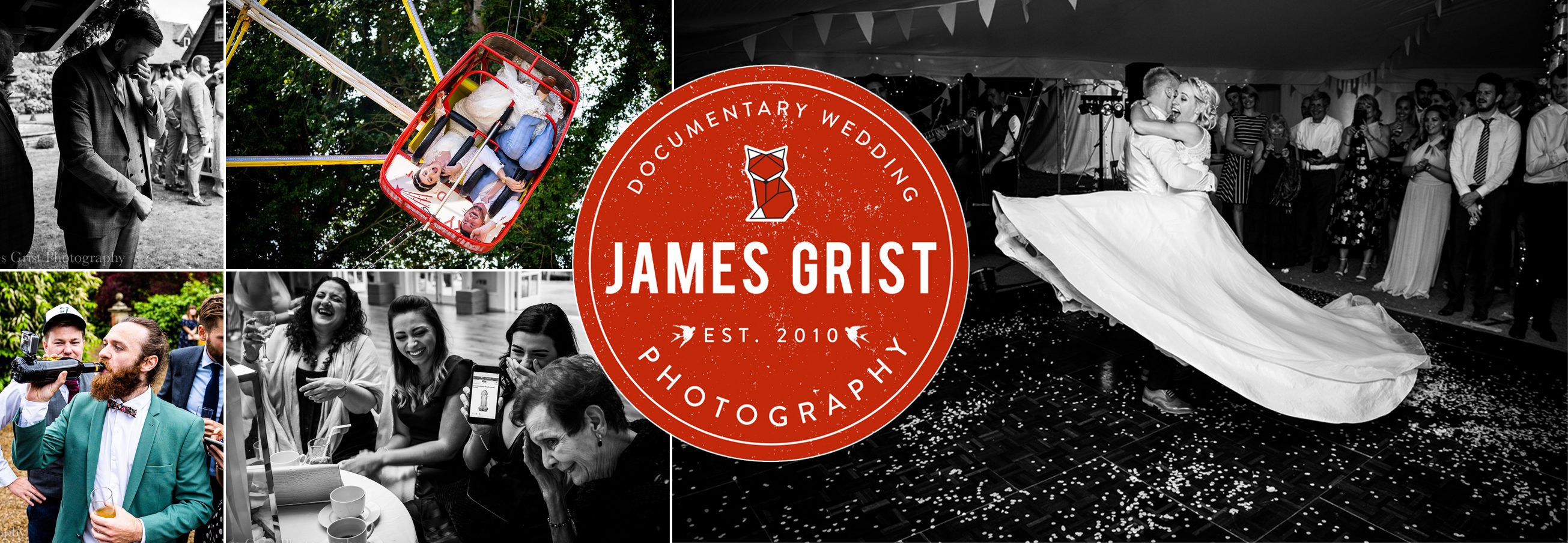
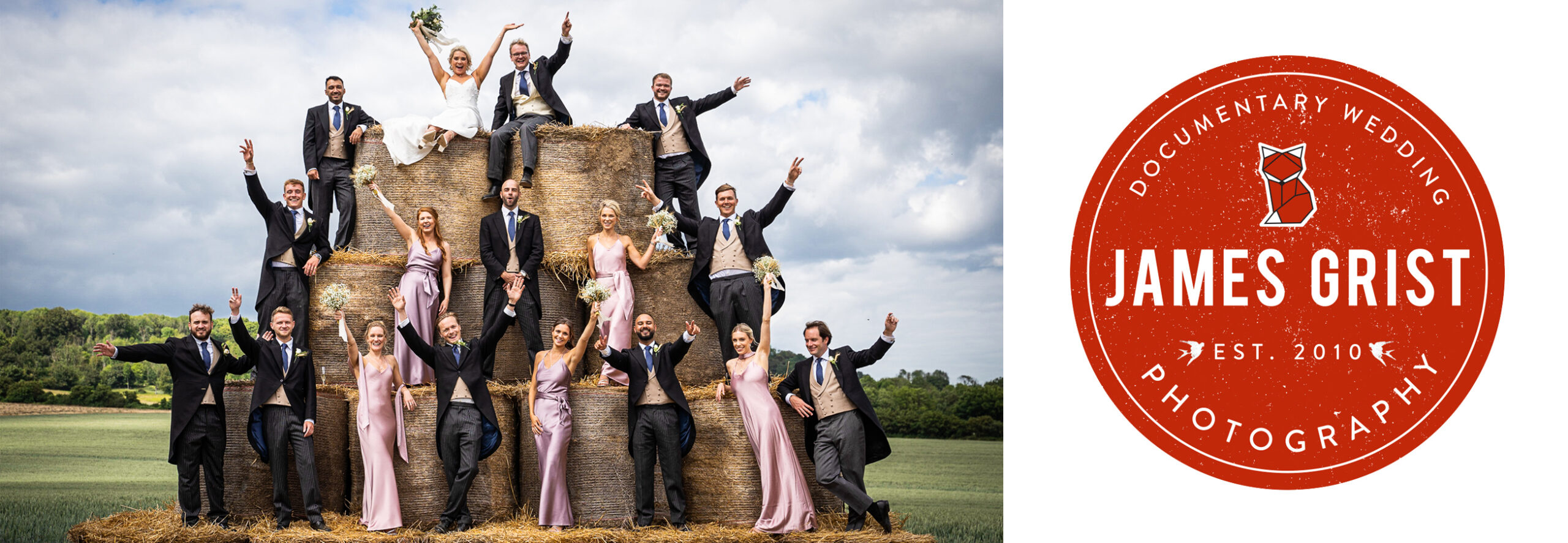
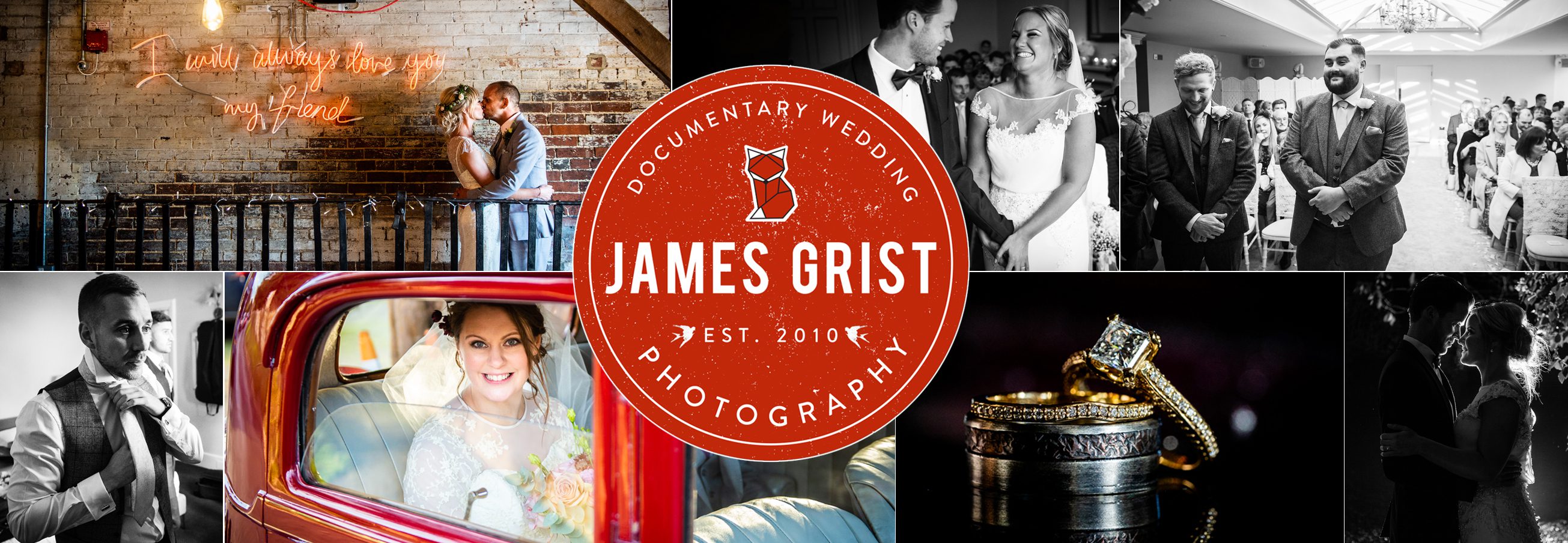
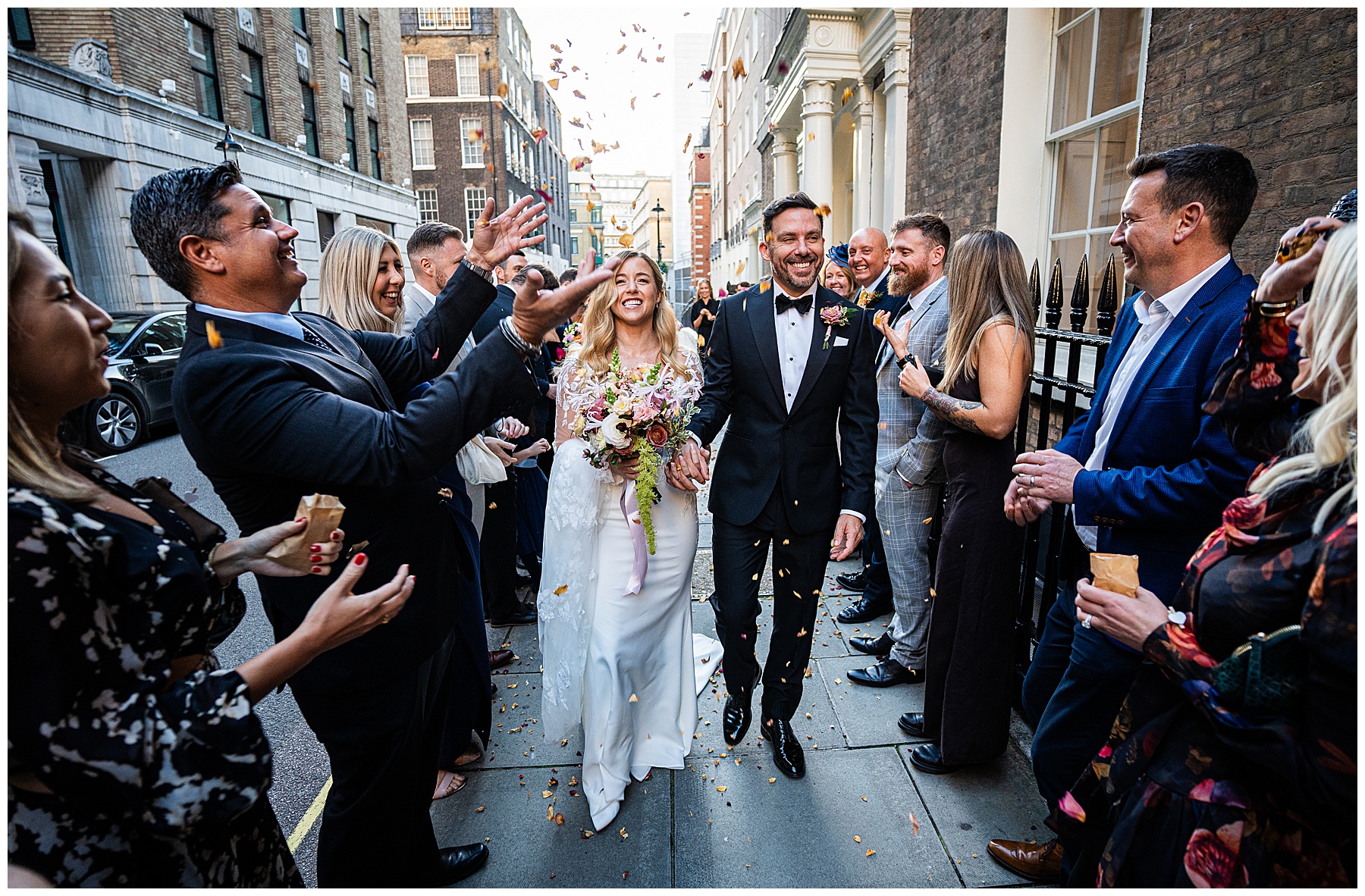

The best dance floor wedding photos come from candid energy, deliberate lighting, and a photographer who watches more than they direct. Documentary photographers like Jamesgristphotography work by staying close enough to catch real reactions without becoming part of the scene, letting movement, laughter, and low light do the storytelling rather than posed line-ups.
TL;DR:
- Photographers should focus on candid, energetic moments like group circles, confetti tosses, and genuine reactions, rather than formal poses or line-ups.
- Lighting should be tailored with cross-lighting from two corners and atmospheric fixtures like mirror balls to enhance mood without causing chaos.
- A mix of wide, medium, and close frames captured with varied shutter speeds creates a dynamic and emotionally resonant dance floor gallery.
- Prioritize full reception coverage over single highlight shots, as spontaneous motion and imperfect images tend to age better than posed perfection.
- Planning key moments in advance, such as a single countdown for effects and two main shooting positions, ensures comprehensive coverage of the dance floor story.
Table of Contents
- 1. Ten dance floor moments worth briefing your photographer on
- 2. Lighting and gear: how to make the dance floor look cinematic without chaos
- 3. Composition and technique: framing movement and authentic reactions
- 4. Practical shotlist and timing: who to prioritise and where to stand
- 5. Real examples from Jamesgristphotography
- 6. Why candid dance floor photos age better than perfection
- 7. Packages that capture your dance floor story
- Sources
- FAQ
1. Ten dance floor moments worth briefing your photographer on
You do not need to choreograph a single frame. What helps is telling your photographer which moments matter to you, so they can position themselves and their lighting to catch them as they happen.
- Crowd energy wide shots, capturing the whole floor mid-song, work best when the photographer steps back for a beat rather than staying locked on the couple.
- A mid-spin frame of the couple during their first dance often becomes the gallery’s signature image, especially with a second light catching the movement.
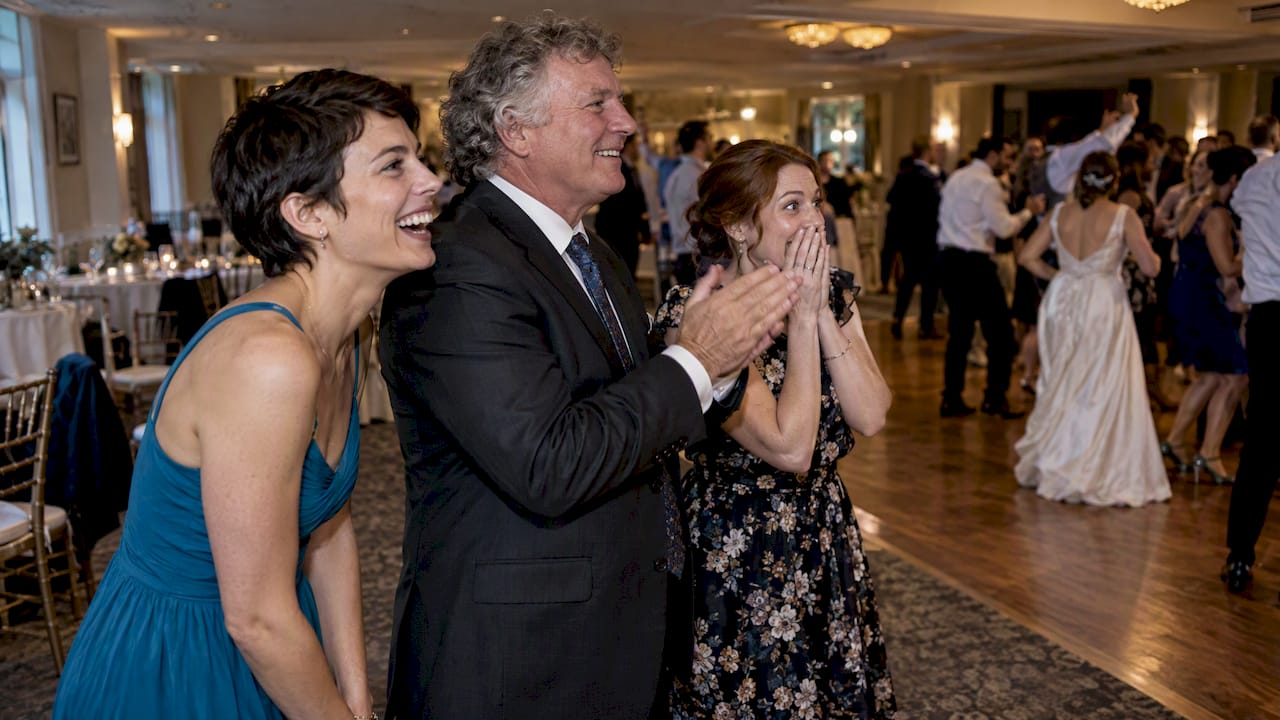
- Parent reactions from the side of the floor, caught candidly, tend to mean more a decade later than another posed portrait.
- A group circle shot, guests ringed around the couple clapping or cheering, needs the photographer up on a chair or balcony for a beat.
- A confetti toss works best with a single countdown agreed with the DJ, giving the photographer one clean take rather than a scramble.
- Silhouettes under a mirror ball turn ordinary dancing into something cinematic, especially where the light rig is already fixed to the ceiling.
- Dry ice under the first dance adds atmosphere and depth, though it needs coordinating with the venue in advance for safety and airflow.
- A low-angle shoe or feet detail, especially where the bride has kicked off her heels, adds texture without needing anyone to pose.
- A slow-spin motion blur of a dancing couple, layered against sharper frames, gives a gallery rhythm rather than a wall of identical shots.
- A quiet look between partners mid-song, caught rather than staged, usually outlasts every formal portrait in the album.
None of this requires performing for the camera. A fun, relaxed floor gives a documentary photographer everything they need.
2. Lighting and gear: how to make the dance floor look cinematic without chaos
Lighting decides whether your dance floor photos look considered or simply loud. Moving-head lights and LED par washes create colour and movement across the room, mirror balls scatter soft points of light that flatter faces, and strobes add punch but can flatten skin tone if overused. For a romantic first dance, softer diffused light usually photographs better than full disco-level strobes; for the open dance later, rhythmic colour can carry more energy without hurting the images.
- LED par lights and moving-heads wash the room in colour and work well for wide, atmospheric shots.
- Mirror balls scatter light in small, flattering points, ideal for close couple shots and silhouettes.
- Strobes and lasers add drama for high-energy songs but need a second, softer light to keep faces readable.
Event-lighting guidance recommends a venue walkthrough so the lighting supplier can tailor fixtures to the room rather than guessing on the day. Professional photographers typically bring their own manual off-camera flash and gel it with CTO to match tungsten venue lighting, then use shutter drag to blend ambient colour with a sharp flash-lit subject. This is why a professional lighting guide for receptions recommends cross-lighting from two corners: it gives the photographer a 360-degree shooting range without chasing cables across the floor.
Cross-lighting from two flashes placed at opposite corners of the dance floor gives photographers a full 360-degree shooting range, meaning fewer missed angles during the busiest part of the night.
Ask your venue and DJ to confirm cabling routes and sightlines in advance, and loop in your videographer so flash triggers do not clash with their equipment.
3. Composition and technique: framing movement and authentic reactions
A dance floor gallery reads best as a mix, not a single style repeated all night. Wide scene-setters establish the room, medium frames catch interaction between guests, and close shots hold the reactions that carry emotion. Ask your photographer to move through that sequence rather than parking in one spot.
- Faster shutter speeds freeze detail for sharp, printable frames.
- Slower shutter speeds, dragged deliberately, add motion trails that suggest energy rather than record it.
- Backlighting or rim light from the DJ rig separates dancers from a dark background.
- Direct, unfiltered flash can be used artistically for a punchy, editorial look on the busiest songs.
The old “20-60-20” split, often used as a rough guide to portraits, poses, and candids across a wedding day, works as a loose prompt here too: a small share of considered frames, most of the coverage candid and reactive, and a small share of genuinely spontaneous chaos.
Pro Tip: Ask your photographer to shoot the people watching the dance floor as often as the people on it. Reactions usually outlast the dance moves themselves.
4. Practical shotlist and timing: who to prioritise and where to stand
A short list shared in advance saves your photographer from guessing what matters to you.
- First dance: entrance, a wide establishing frame, a close couple shot, then a detail (hands, dress hem, shoes).
- Peak open dance: crowd energy, a group circle formation, and the confetti or sparkler moment if planned.
- Late night: smaller, quieter frames as the floor thins, often where the most relaxed reactions happen.
Agree a single countdown with the DJ for any confetti or sparkler moment, and ask for two shooting positions, one wide and one close, so both the moment and the reaction are covered. Before the day, ask your photographer three things: whether they can join a lighting walkthrough, how they will coordinate with your videographer, and what safety checks apply to any special effects.
5. Real examples from Jamesgristphotography
A handful of real weddings show how this comes together on the night.
- At Pelham House, low ambient light meant leaning on cross-lit flash and mirror-ball reflections to keep faces readable during the first dance, as shown in the full Pelham House wedding story.
- At Preston Court, a carnival-themed reception gave plenty of colour and movement, where shutter-drag captured the blur of fairground lights without losing the couple as the sharp anchor.
- At Gate Street Barn, low beams and close quarters meant working the crowd from ground level for candid parent and guest reactions rather than shooting from a fixed spot.
Each gallery shows full reception coverage rather than a handful of hero frames, which is the point of documentary work: the story sits in the sequence, not just the standout shot.
6. Why candid dance floor photos age better than perfection
Perfect poses date quickly. A blurred spin, a caught laugh, or a parent wiping their eyes tends to matter more years later than a technically flawless portrait. When choosing a photographer, look for full reception galleries that mix imperfect motion with a handful of reliably sharp frames, not just isolated hero shots.
— James
7. Packages that capture your dance floor story
Full reception coverage needs time built into your booking, not squeezed in at the end of the evening. Some wedding photography packages cover your day through to the dance floor, and options are available for a second photographer to ensure comprehensive coverage during busy moments.

- A pre-wedding consultation covers your timeline, key moments, and a lighting walkthrough with your venue.
- Double Coverage is useful where guests are spread across a large barn or marquee during open dancing.
- Full 2026 prices and package details are listed on the wedding photography packages and pricing page.
If your dance floor is the part of the day you care most about capturing, check availability and get the details on the packages page above.
Sources
For deeper technical detail, see the Institute of Photographers’ lighting guide and the Mirror Balls fixture guide.
- Creative lighting for wedding receptions: a professional photographer’s guide for 2026
- How to choose dance floor lights for events – Mirror Balls
FAQ
What colours are recommended for a wedding dance floor?
There is no single fixed rule. Lighting guidance suggests matching colour to the mood you want: soft, diffused tones for a romantic first dance and richer, rhythmic colour for the high-energy party portion of the night.
What are the trends in wedding photography for 2026?
Documentary-style coverage that favours candid reactions over posed line-ups continues to dominate, alongside deliberate use of cinematic reception lighting such as cross-lighting and CTO-gelled flash. Motion-blur and direct-flash accents are used sparingly rather than as the dominant style across a whole gallery.
What is the 20-60-20 rule in photography?
It is a loose guide some photographers use to split coverage: a small share of considered, posed frames, the majority candid and reactive, and a small share of spontaneous, unplanned moments. It works best as a flexible prompt rather than a strict formula.
How do I avoid looking awkward in wedding photos?
Keep moving naturally and focus on the people around you rather than the camera. Genuine conversation and laughter with your partner or guests produce more natural expressions than trying to pose for the lens.