
Storytelling wedding photography captures how your day felt, not just what happened in front of the camera, so you end up with a gallery that works like a memory rather than a checklist of poses. It gives couples an emotional record they can return to for decades. This guide covers what the style means, the techniques behind it, how to prepare for it and what to ask before you book.
TL;DR:
- Full galleries should be reviewed to ensure consistency in capturing both quiet moments and lively scenes across the entire day.
- Photographers typically allocate coverage hours based on your venue size, guest list, and desired storytelling depth, influencing how much of the event is documented.
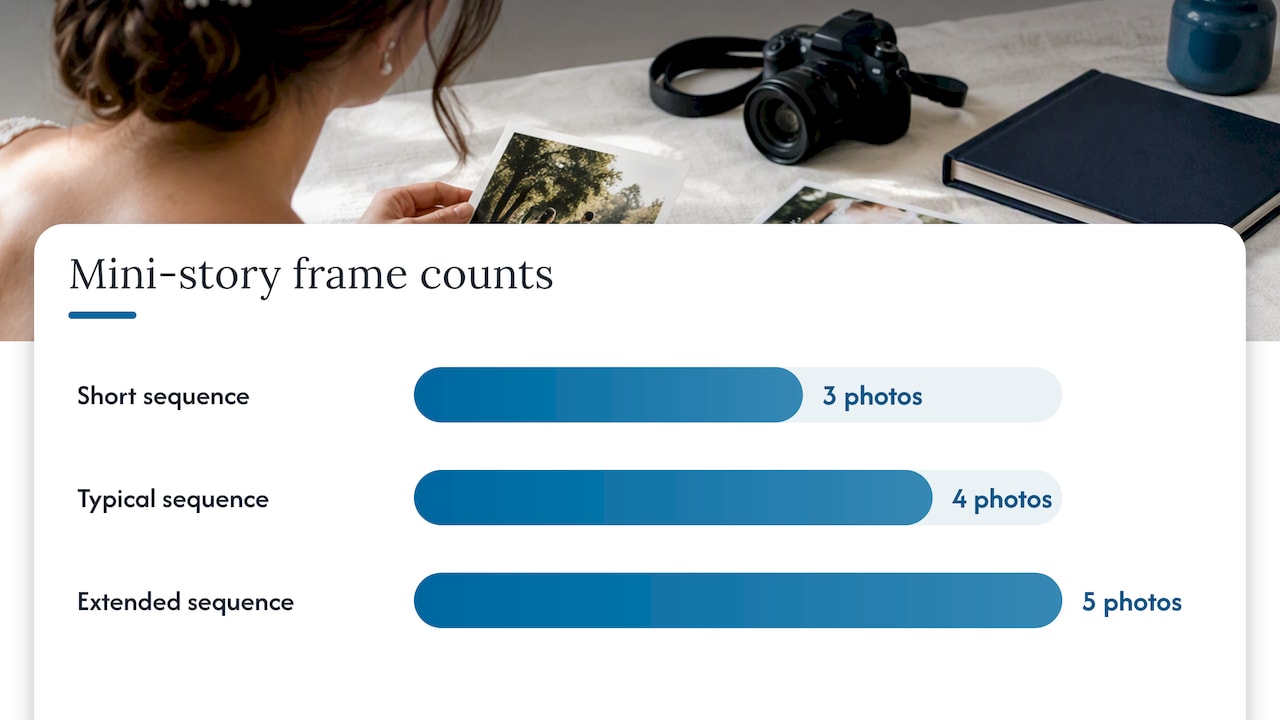
- Short photo sequences of three to five images are key for building emotional narratives within the larger gallery, often becoming the most memorable parts.
- Preparation involves discussing meaningful objects, traditions, and key moments with your photographer to create a roadmap that guides the storytelling without rigid poses.
- Expect natural, candid shots that emphasize real reactions and emotions, with technical choices like longer lenses and soft lighting supporting an unobtrusive approach.
Table of Contents
- What storytelling wedding photography actually means
- Why couples choose storytelling over posed coverage
- Preparing the story before the wedding day
- Phase by phase: techniques from getting ready to last dance
- The gear and light choices behind the candid look
- Turning hundreds of photos into a story worth keeping
- Portfolio examples that show the story in practice
- Choosing a photographer: checklist and warning signs
- Why I still see this work as a form of witnessing
- How I can help tell your story
- FAQ
- Sources
What storytelling wedding photography actually means
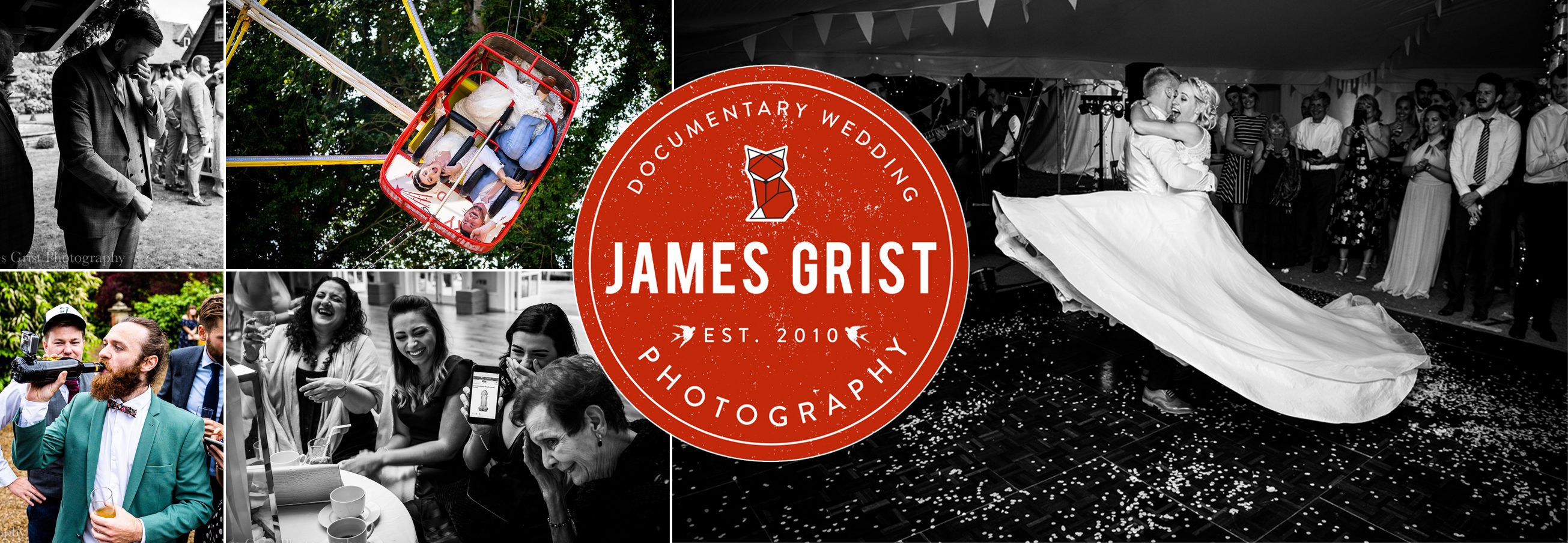
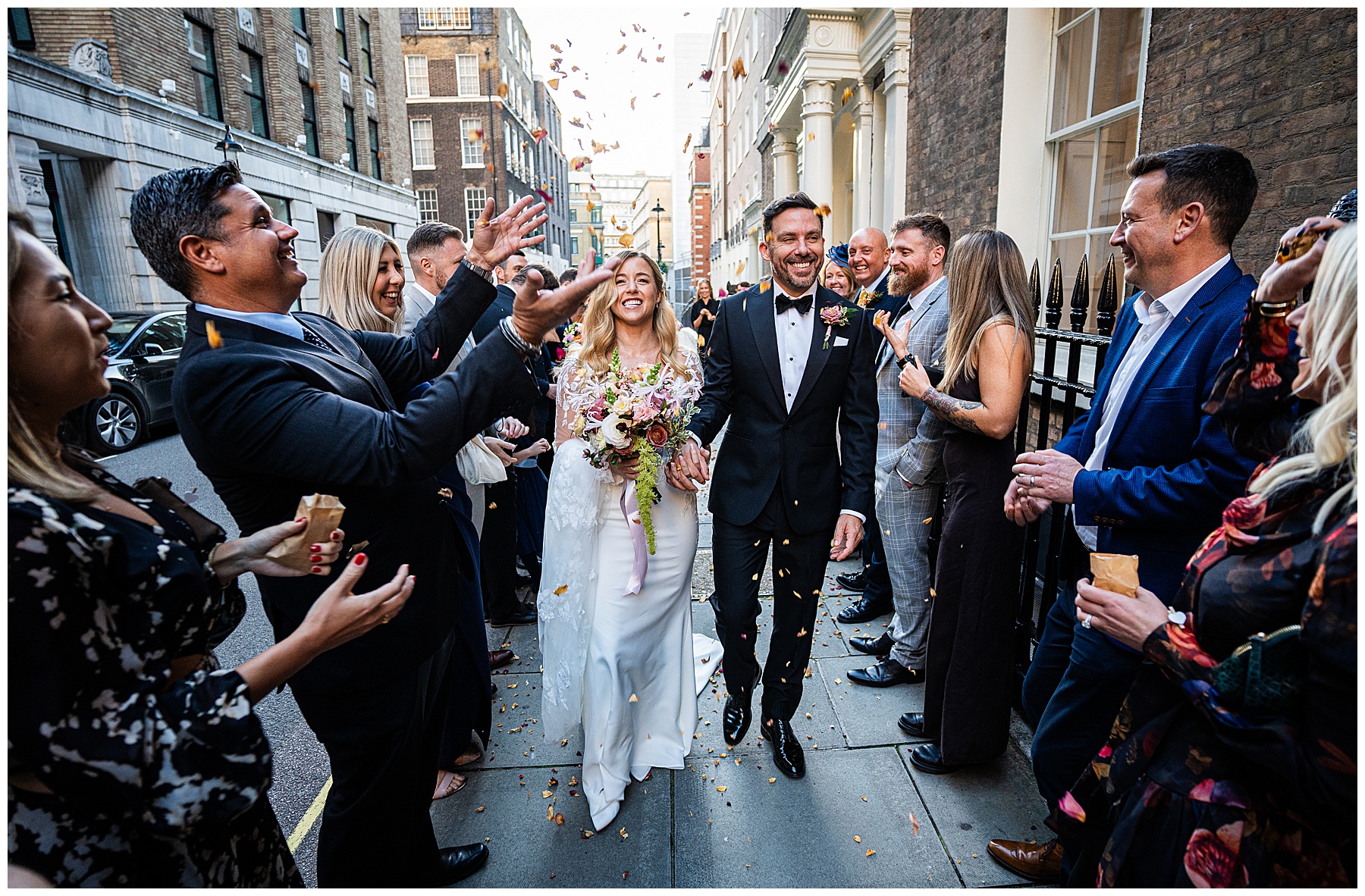
Storytelling wedding photography treats the photographer as a witness and narrator rather than a director, emphasizing the role of emotion in visual storytelling portraits. Instead of arranging you into set poses, the photographer watches for genuine exchanges: a father’s face during the first look, the way your partner’s hands shake while reading vows, the chaos of a dance floor at midnight.
Portfolios describing this approach often use the words reportage, documentary, candid or narrative. These labels point to the same idea: images built around real behaviour rather than instruction. According to Scene by Sony ANZ, this approach aims to reveal how a wedding day felt rather than simply recording what occurred.
The practical contrast with traditional, posed photography is straightforward:
- Posed work directs expressions and arranges groups; storytelling work waits for them to happen naturally.
- Traditional galleries often read as a series of portraits; storytelling galleries read like a sequence of moments.
- Posed sessions interrupt the day’s flow; documentary coverage moves through it quietly, which is also covered in this relaxed reportage wedding photographer guide.
Why couples choose storytelling over posed coverage
Couples who choose this style usually want a gallery that feels like memory when they look back on it years later, not a set of stiff formal shots. The appeal tends to come down to several practical outcomes.
- Images that trigger the same feeling as the moment itself, rather than a generic smile for the camera.
- Stronger flow in albums and slideshows, because the photographs already follow a sequence of cause and effect.
- Less time spent standing still for portraits, which leaves more of the day free for the couple and their guests.
- Suitability for weddings of any size, from an intimate register-office ceremony to a three-hundred-guest marquee celebration.
This is the same reasoning behind why couples choose reportage coverage over a purely formal approach: the resulting gallery holds up better on the tenth viewing, not just the first.
Preparing the story before the wedding day
Good storytelling photography is planned, not improvised. Adobe’s feature on wedding imagery notes that pre-wedding conversations often reveal narrative anchors, small items or rituals a photographer can foreground to reconnect a couple to a specific memory later.
A useful discovery process covers:
- What matters most to you as a couple: values, traditions, the people you want captured without being asked.
- Family dynamics worth knowing in advance, including anyone who might need gentle handling on the day.
- Heirlooms, rituals or objects with meaning, such as a grandmother’s veil or a handwritten letter.
- The venue itself, scouted ahead of time for light, quiet corners and likely emotional flashpoints such as the aisle or the cake table.
A short story brief, built from these answers, gives the photographer a map of what to watch for without turning the day into a shot list of poses.
Pro Tip: Share your ceremony order and reception timings a week before the wedding so your photographer can plan where to stand for the moments that matter most to you.
Phase by phase: techniques from getting ready to last dance
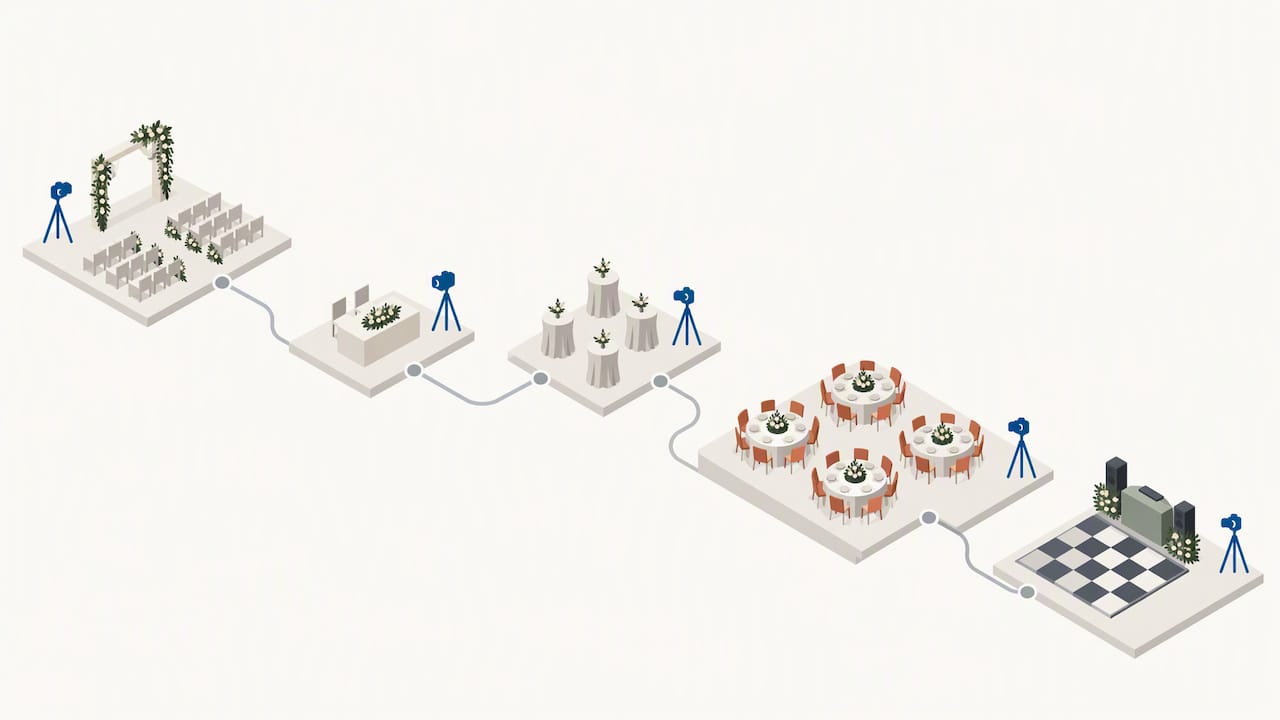
Each part of the day asks for a different kind of attention.
- Getting ready: wide shots establish the room and the nerves in it, while tighter frames catch small details such as a shaking hand doing up a button.
- Ceremony: the photographer watches guests as much as the couple, catching reactions to vows while staying unobtrusive with longer lenses and careful timing.
- Portraits: brief, gentle escapes from the group create calm, authentic images rather than stiff ones, often lasting only a few minutes.
- Reception and dance: motion and energy take over, and a run of frames across a single song can read as one continuous emotional peak.
A single getting-ready sequence might run like this: a wide shot of the room in soft morning light, a close detail of rings on a windowsill, a candid laugh between bridesmaids, then a quiet moment alone before the dress goes on. Four frames, one emotional arc.
Statistic Callout: ? According to Scene by Sony ANZ, storytelling photographers often build short sequences of three to five photographs to tell mini-stories within the larger gallery, and these sequences commonly become the highlights of the finished album.
Nikon UK’s guide to wedding reportage describes the “fly on the wall” approach many reportage photographers use to capture authentic reactions without disrupting them, which is the same instinct behind the phase-by-phase approach above.
The gear and light choices behind the candid look
The technical side supports the mindset rather than driving it.
- Longer prime lenses and medium telephoto ranges let a photographer stay back physically while staying close emotionally.
- Silent shutter modes and two-camera setups allow overlapping coverage, so a wide and a tight frame of the same moment both exist.
- Light shapes mood as much as composition does: golden hour warmth, hard silhouettes at dusk, or the soft, even tone of an overcast afternoon.
- Shallow depth of field and deliberate motion blur, used sparingly, act as narrative devices rather than decoration.
- Short video clips alongside stills increasingly sit beside the photo gallery, giving sound and movement to moments a still frame cannot fully hold.
Scene by Sony ANZ cautions that creative effects such as motion blur, prisms or reflections should serve the story rather than distract from it, a point worth remembering when a photographer’s portfolio leans heavily on visual tricks.
Turning hundreds of photos into a story worth keeping
A wedding day produces thousands of frames. Editing and sequencing decide which few hundred survive and in what order.
- Consistent colour grading across the gallery sets a single tone, whether that is warm and golden or soft and muted.
- Sequencing uses transitional frames, a doorway, a walk down a corridor, to manage pacing between big moments.
- Albums and highlight reels are designed deliberately around highs and quiet moments, not simply chronology.
- Short three to five frame runs, as described earlier, often become the emotional beats that make an album or online gallery memorable.
Pro Tip: Ask to see a full wedding gallery, not just a highlights reel, before booking. It shows how a photographer handles the quiet moments between the big ones.
Portfolio examples that show the story in practice
A wedding at Pelham House showed how a single thread, a grandmother’s brooch passed down for the day, reappeared across three frames: packed in its box, pinned on by a sister, catching light during the first dance. At Ellenborough Park, a wet-weather ceremony became a sequence about shelter and laughter rather than disappointment. A wedding at Solton Manor built its narrative around a long driveway walk, used three times across the day in different light to bookend the story.
- Each gallery relied on pre-wedding planning to know which objects or rituals carried meaning.
- Timing around light, not just the schedule, shaped where key frames were taken.
- Sequencing in the final edit, not just strong individual shots, is what made each story readable.
Choosing a photographer: checklist and warning signs
Before booking, ask direct questions and look closely at full galleries, not just highlight reels.
- Request a complete wedding gallery, not a curated highlight set, to see consistency across quiet and busy moments.
- Ask about coverage hours, whether a second shooter is included, and typical editing turnaround.
- Look for mini-sequences, three to five frames that clearly follow one moment, as a sign of genuine storytelling skill.
- Treat a portfolio of only posed, static shots, vague references or unclear delivery terms as a red flag.
Coverage length and double-shooter options affect how much of the story gets captured, which is worth weighing against your venue and guest list size.
Why I still see this work as a form of witnessing
Storytelling wedding photography asks for empathy and curiosity before it asks for technical skill. Adobe’s feature on wedding storytelling frames the photographer’s role as witness rather than director, and that distinction has shaped how I work for years. The best galleries come from genuine interest in a couple’s story, not from a formula. If you are choosing a photographer, ask to see a full gallery and talk through your day in detail before you decide.
— James
How I can help tell your story
If you want a gallery that reads like memory rather than a list of poses, documentary coverage across various locations offers this approach. Every booking starts with a pre-wedding consultation and venue scouting, so the day’s key moments are anticipated rather than missed.

- Package 1, priced at £1,650, covers full-day coverage with edited galleries.
- Package 2, priced at £1,950, extends coverage and adds further options.
- Double Coverage, from £400, adds a second shooter for overlapping angles during key moments.
Check the full breakdown on the 2026 wedding prices and packages page and get in touch to talk through your day.
FAQ
Can you give me an example of storytelling in photography?
A getting-ready sequence showing a wide shot of the room, a close detail of jewellery on a table, and a candid reaction from a parent is a classic example. Each frame adds information, and together they read as a short scene rather than three unrelated pictures.
What is the 20 60 20 rule in photography?
Definitions vary between photographers, so it is worth asking any photographer you shortlist how they personally split their coverage.
What are the trends in wedding photography for 2026?
Couples are increasingly asking for full-day documentary coverage over heavily posed sessions, alongside short video clips that sit beside the photo gallery. Natural light, candid reception coverage and albums built around narrative sequences rather than strict chronology remain central to this approach.
What is storytelling in photography?
Storytelling in photography means building a set of images that convey a sequence of events and emotions, not just a single strong picture. According to Scene by Sony ANZ, it relies on preparation, composition, light and sequencing to create a lasting emotional record of an event.
What should I ask before booking a storytelling wedding photographer?
Ask to see a full wedding gallery, confirm coverage hours and whether a second shooter is included, and find out how long editing typically takes. Clear answers on all three are a good sign you are looking at genuine documentary work rather than a mostly posed service.
Sources
- How to tell a story through your wedding photography – Scene (Sony ANZ)
- How to shoot wedding reportage – Nikon (UK)
- Happily ever art: storytelling wedding imagery – Adobe blog