
Great summer wedding photos come from three decisions made months ahead: when the light is at its best, how much of the day your photographer covers, and how relaxed you let the day be. Get those right and the sun, the heat and even a surprise shower become part of the story rather than problems to manage.
We are documentary wedding photographers in Kent, working across Kent, London and further afield. This guide covers what actually makes summer pictures work in the UK, and what to ask for before you book.
TL;DR
- Build the photography timeline first, then fit the rest of the day around the light. Evening light is the prize in summer.
- Midday sun is harsh but manageable: use shade, open doorways and backlighting, and keep portraits short.
- Plan for heat and for rain. Both produce some of the most honest pictures of the day.
- Candid, documentary coverage is what many couples now ask for, and summer’s long days give a photographer plenty to work with.
- Budget realistically: the UK average for a wedding photographer is £1,484, with London and the South East usually higher.
Table of Contents
- What makes summer wedding photos different
- Start with the light, not the schedule
- Dealing with harsh midday sun
- Heat, comfort and how it shows in photos
- Plan for rain too
- The guest look is part of the picture
- What couples are asking for now
- What summer wedding photography costs
- Our perspective: let the day happen
- Booking your summer wedding photographer
- FAQ
- Sources
What makes summer wedding photos different
Summer gives you the longest days of the year, open-air ceremonies, garden drinks receptions and guests in light, colourful clothes. It also gives you the hardest light of the year between late morning and mid-afternoon, plus heat that affects everyone from the groom’s jacket to the flower girl’s patience.
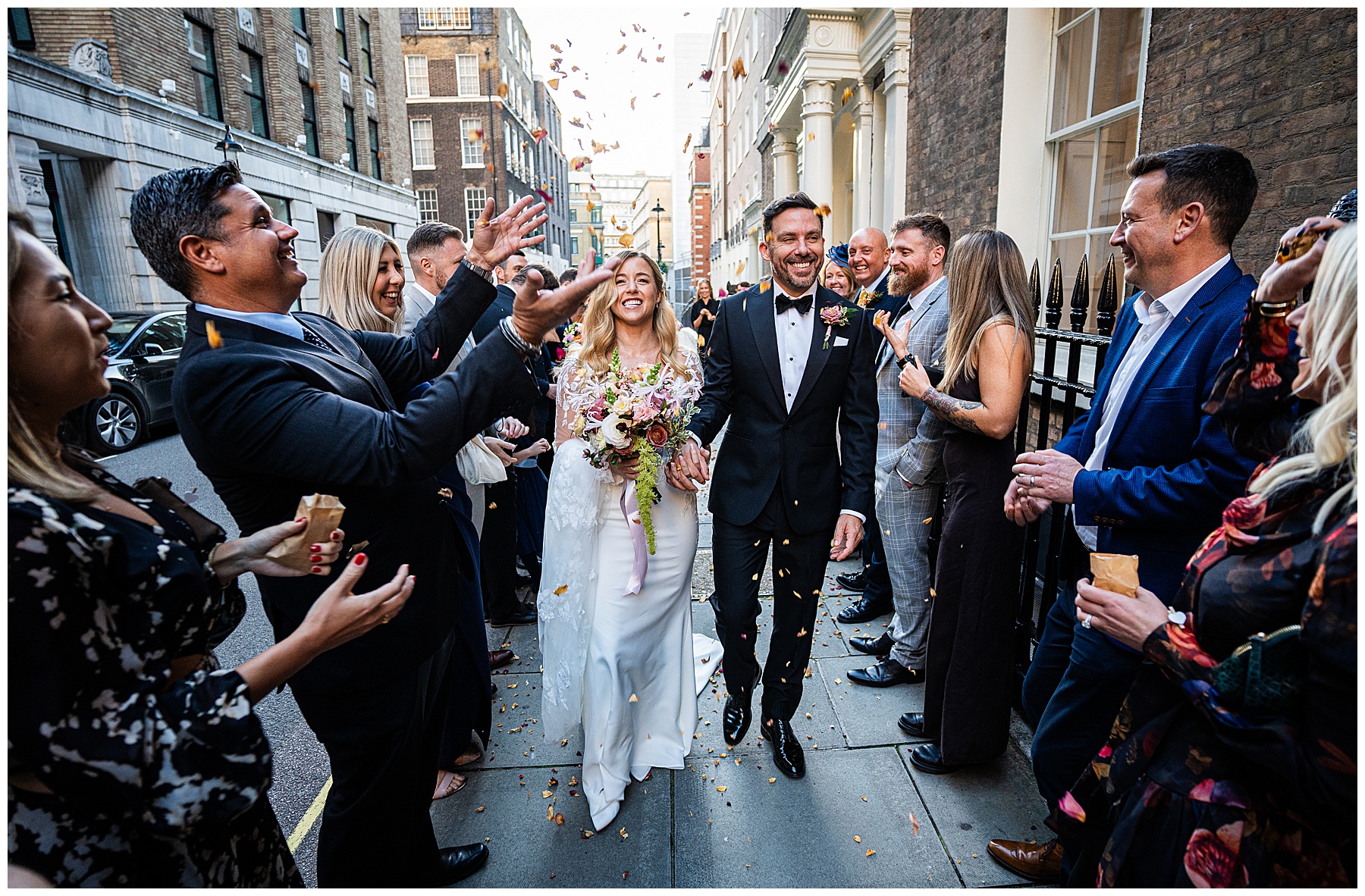
A good summer gallery has range. You want the sparkle of the confetti throw, but also the grandmother fanning herself with an order of service, the best man loosening his tie, and the children running barefoot across the lawn. Those frames place the pictures in a season. A set of identical posed portraits could have been taken in any month.
That is why we shoot documentary style. We stay in the background, watch for real moments and let the day unfold. In summer, there is simply more of it happening outdoors, and more of it happening in beautiful light.
Start with the light, not the schedule
The most useful piece of planning advice we can give is also the one couples hear least. Weddings Hub recommends building the photography timeline before the overall wedding timeline, because the light dictates the flow of the day. We agree completely.
In practice, that means looking up the sunset time for your date and working backwards. Sunset in the UK shifts a lot across the season, so a date in early June and one in late August will give you very different evenings. Check the time for your exact day and location rather than assuming.
The same guide suggests allowing roughly:
- 3 to 4 hours for getting ready
- 20 to 30 minutes for group shots
- 20 to 40 minutes for couple portraits
Those are sensible starting figures. If you only take one idea from them, make it this: couple portraits do not need long. A short, well-timed slot in good light beats an hour in the glare while your guests wait with warm drinks.
We have written two pages that go deeper on this. Our wedding photo timeline guide walks through the day hour by hour, and our golden hour plan shows how to carve out a 30 to 40 minute window for evening portraits without missing your own party.
A sample summer flow
Here is how a typical summer day can be arranged around the light. Treat it as a starting point and adjust the times to your ceremony and your sunset.
- Morning: getting ready in the softest, most flattering window light of the day.
- Ceremony: often early afternoon, so choose a venue with shade or an indoor space where the light is easier to handle.
- Group photos: kept short and taken in open shade, ideally straight after the ceremony while everyone is gathered.
- Drinks and canapés: the best time for candid guest photography, with guests mingling and the pressure off.
- Wedding breakfast and speeches: shot with whatever light the room gives us, with an eye on the faces.
- Golden hour: a brief step outside for the two of you, before first dance and evening guests.
- Dance floor: flash, fairy lights and happy chaos.
The shape matters more than the exact times. Give the two of you one unhurried moment in the best light, and let everything else be natural.
Dealing with harsh midday sun
Bright, high sun creates squinting eyes, dark eye sockets and bleached skin tones. It is the situation couples worry about most, and it is very workable.
Experienced photographers have long argued that bad light is mostly misused light, and that backlighting a couple can recreate the glow people associate with golden hour. Here is how that translates into practical choices:
- Use shade. A tree, a barn doorway, a covered porch or the side of a building gives soft, even light on faces.
- Turn the couple away from the sun. Backlit portraits glow around the edges and avoid squinting.
- Keep it brief. Ten minutes in the open, then back to the party.
- Pick a venue with options. When you visit, ask where the shade falls at 2pm, not just how it looks in the brochure.
- Do not fight the brightness. Bold colour, strong shadows and sunlit confetti can look wonderful when they are treated as part of the scene.
A photographer who has worked at your venue before will know all of this already. That is one reason we encourage couples to ask about venue experience, and to look at full galleries from comparable weddings. Our page on seeing galleries first explains what to look for.
Heat, comfort and how it shows in photos
Heat changes how people look on camera long before it becomes a safety issue. Flushed faces, wilting buttonholes and tired children all show up in pictures. A few small decisions keep everybody looking like themselves.
- Put water, shade and somewhere to sit near the ceremony. Guests who are comfortable smile properly.
- Schedule family groups in shade, not on the sunniest bit of lawn.
- Consider lighter fabrics for the wedding party, and let people take jackets off once the formal photos are done.
- Give the two of you ten minutes alone after the ceremony. It is calming, and the quiet moment often becomes a favourite photograph.
If you are planning a sunny garden wedding, tell your photographer about any health or mobility needs among your guests so they can plan sensible spots for group photos.
Plan for rain too
This is Britain. Even in July, a shower can arrive without warning. The good news is that wet weather does not ruin a wedding gallery. Umbrellas, laughing dashes across a courtyard and steamy windows make some of the most atmospheric pictures going, and a documentary photographer will be looking for exactly that.
Simple preparation helps:
- Ask your venue where the covered or indoor alternatives are for portraits and group photos.
- Buy a few clear or neutral umbrellas, and have them to hand.
- Accept the plan may change, and let your photographer lead on where the best light has moved to.
Couples who go in with a flexible mindset almost always love their rainy-day photos more than they expected.
The guest look is part of the picture
In summer, guests are in the photographs more than at any other time of year, because they are outside, in the open, in colour. Fashion editors note that 2026 guest outfits are moving toward soft, feminine silhouettes, florals and pastel shades, with comfort a priority and rental increasingly popular.

If your colour palette matters to you, a short note on the invitation or wedding website goes a long way. A dress code, a mood board or a few colours to avoid keeps the group shots harmonious without policing anyone. If you want to read more about colour choices and styling for photographs, this Portuguese-language guide to styling for photos covers the thinking behind colour analysis and outfit choices.
Practical points for your guests’ outfits:
- Strong prints and pale pastels both photograph well outdoors. Very dark colours can look heavy in bright sun.
- Shiny fabrics catch the light and flash, which can be lovely or distracting, depending on the venue.
- Comfortable shoes matter on grass and gravel. People who are not hobbling look more relaxed in pictures.
What couples are asking for now
There is a clear shift toward natural, story-led photography. One roundup of summer wedding trends reports that searches for candid and documentary wedding photography have risen sharply, as couples want atmosphere, movement and genuine emotion in their pictures.
That suits summer very well. Long days and outdoor settings mean more spontaneous moments: guests playing lawn games, a toast on the terrace, children dancing before the first dance has even begun. A photographer who is not constantly stopping the day to arrange people will catch far more of it.
If you want a sense of how that looks at a real summer wedding, have a look at Lauren and Jordan’s June wedding at Solton Manor, or the Cissbury Barn wedding with Lauren and Fran. If you like the look of the first moment between a couple, our page on bride reveal wedding photos shows how we approach that.
What summer wedding photography costs
Summer is peak season, so popular Saturdays go early. On pricing, Bridebook’s 2026 Wedding Report puts the UK average for a wedding photographer at £1,484. The same source says London and the South East usually run £200 to £500 higher. Budgets range from under £1,000 for partial coverage to £3,000 or more for full-day, multi-photographer luxury packages.
Our published 2026 prices sit within that range:
| Option | Price |
|---|---|
| Package 1 | £1,650 |
| Package 2 | £1,950 |
| Double Coverage | from £400 |
Double Coverage is an addition for couples who want a second perspective on the day, which can be useful when the ceremony and the getting-ready happen in different places. You can see the full details on our prices and packages page, and our guide to coverage blocks explains how to match hours to the shape of your day.
A tip for summer: do not buy hours you will not use, but do make sure coverage reaches the evening light and at least some of the dance floor. Those are often the pictures couples return to most.

Our perspective: let the day happen
We have photographed enough summer weddings to say this plainly: the best pictures are rarely the ones that were planned to the minute. They are the ones where the couple forgot we were there.
Our approach is built around that. We work unobtrusively, we get to know you beforehand, and we keep the posed element short and light so you can spend the day with the people you love. We would rather capture a real laugh, a happy tear or a dance floor in full swing than a perfect, stiff portrait. We care more about connection than perfection.
For summer, that means we are happy to build the day around the light, but we never want the schedule to feel like a shoot. Pick a venue you adore, give us a short window for golden hour, invite your favourite people and let the rest unfold. The sun will do most of the work.
— James
Booking your summer wedding photographer
If you are getting married in Kent, London or somewhere further afield, we would love to hear about your plans. We offer pre-wedding consultations so we can talk through your venue, timings and the kind of day you want, and we shoot in Kent, across London and at destination weddings.
You can see our current packages and prices on the Kent wedding photographer prices page, or get in touch through our homepage to check availability for your date. If you are still working through the early to-do list, our nine things to do after getting engaged is a good place to start.
FAQ
What time of day is best for summer wedding photos?
Evening is usually best, when the sun is lower and the light is soft and warm. Check the sunset time for your date and set aside 30 to 40 minutes before it for portraits. Morning getting-ready pictures also benefit from lovely natural window light.
How do you avoid squinting in summer wedding photos?
Turn away from the sun, or move into open shade such as a doorway or tree. Backlit portraits look glowing and avoid squinting. Keeping portrait sessions short also helps everyone stay relaxed.
Should I plan for rain at a summer wedding?
Yes. Ask your venue about covered or indoor spaces for photographs, and have umbrellas ready. Rainy moments often produce some of the most atmospheric, memorable pictures, so there is no need to treat them as a disaster.
How much does a summer wedding photographer cost in the UK?
Bridebook reports an average of £1,484 across the UK, with London and the South East typically higher. Our own 2026 packages are £1,650 and £1,950, with Double Coverage from £400.
Sources
- Wedding Photography Timeline UK, Weddings Hub
- Wedding Photography Prices UK, Bridebook
- 6 Ways to Photograph Subjects in Harsh Midday Sun, Rangefinder
- Summer wedding guest dresses 2026, Who What Wear
- Summer 2026 wedding trends, Your Coffee Break