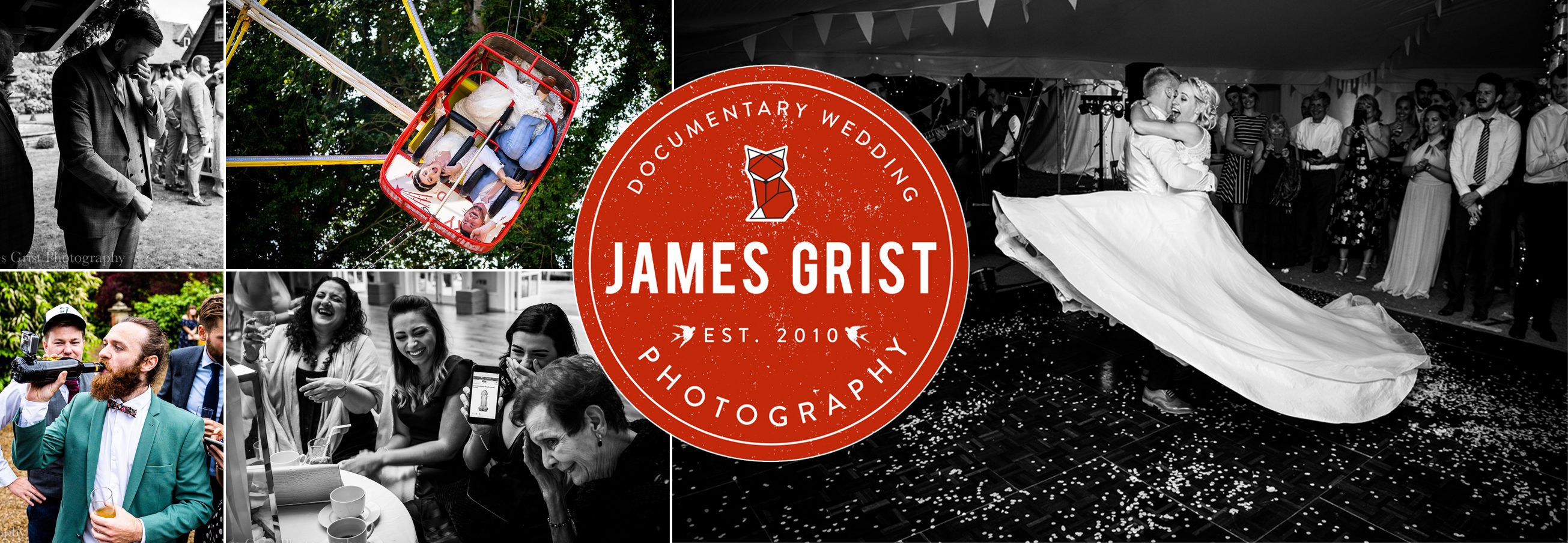
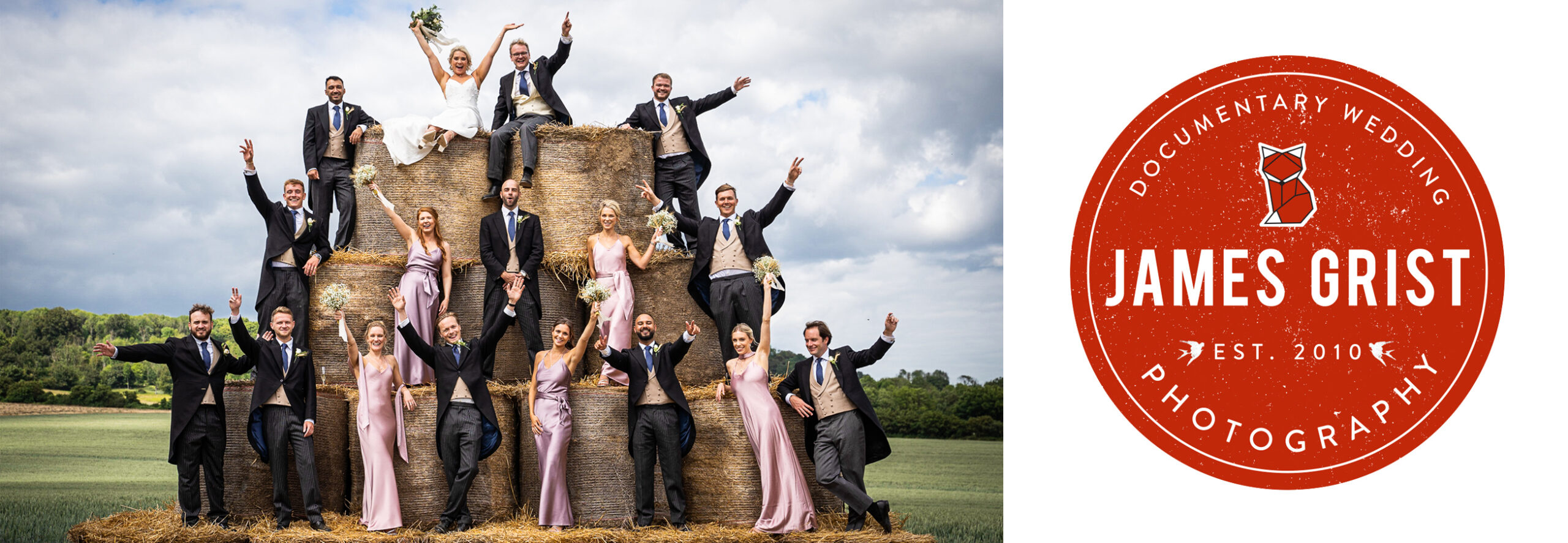
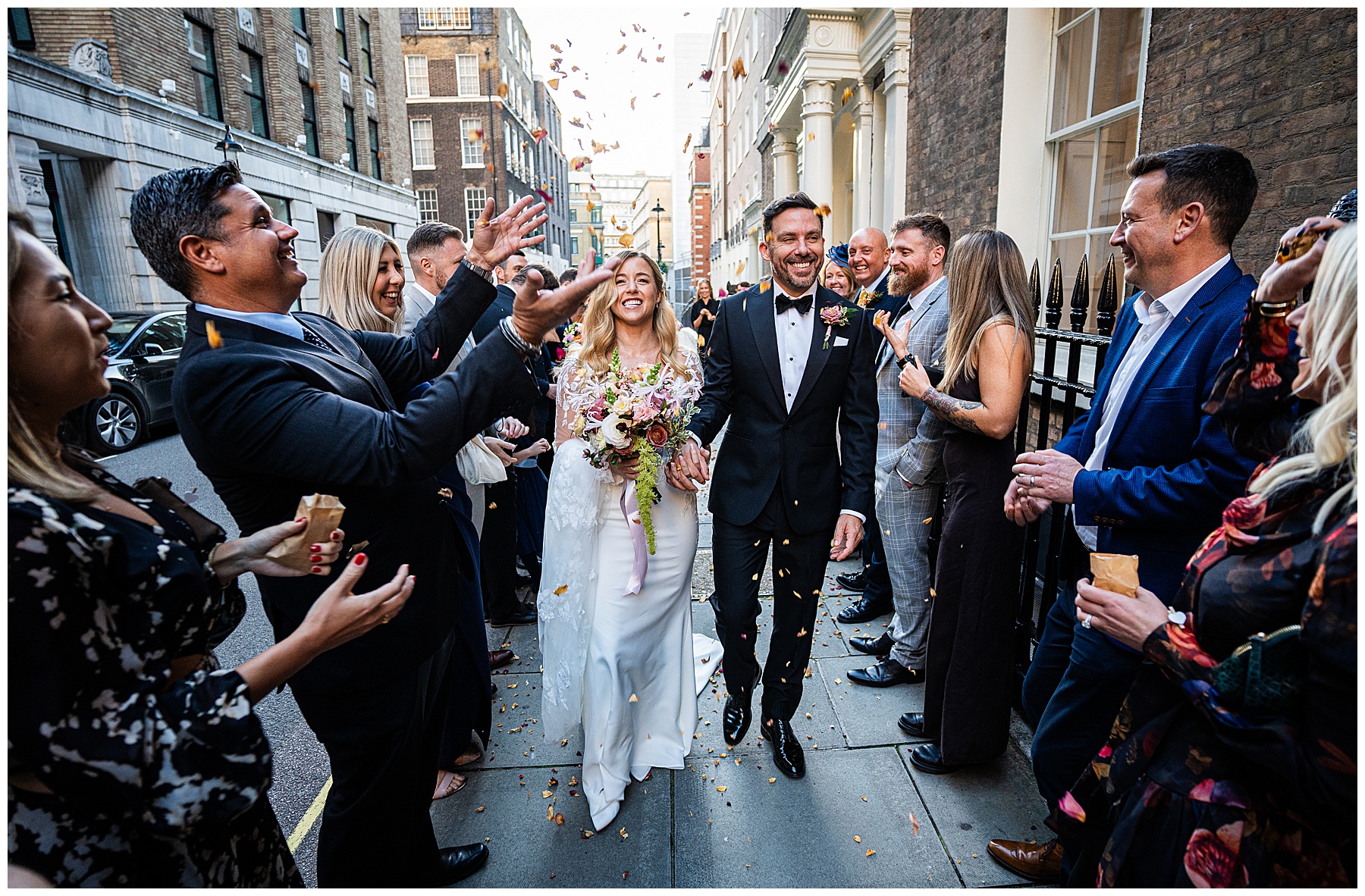

Unobtrusive wedding photography is a documentary, non-directed approach that captures your day as it happens, with minimal posing and no staged set-ups. It suits couples who want genuine expressions and real moments over formal portraits, and who trust a photographer to work quietly in the background rather than direct the room.
TL;DR:
- Full wedding galleries are essential to assess a photographer’s ability to maintain consistent quality throughout the entire day.
- Reviewing galleries at venues similar to yours helps determine how well a photographer handles different lighting conditions and space constraints.
- Confirming coverage hours, backup plans, and insurance before booking reduces the risk of delays or technical issues affecting the final images.
- Building early rapport and scheduling buffers in your timeline encourage natural reactions and unobtrusive photography during the event.
- Adding a second photographer in larger weddings can improve coverage without increasing the photographer’s visibility or disrupting the flow.
Table of Contents
- What unobtrusive documentary wedding photography actually means
- How to choose an unobtrusive wedding photographer: a shortlist checklist
- What to look for in a portfolio and complete wedding galleries
- Questions to ask, plus contract and insurance essentials
- Day-of expectations and how couples can help coverage stay unobtrusive
- Case studies and author proof: real weddings, real conditions
- Why I shoot this way
- How James’s packages support unobtrusive coverage
- Where to check contract, insurance and selection guidance
- Sources
- FAQ
What unobtrusive documentary wedding photography actually means
Documentary wedding photography works on the principle that the best images happen when nobody is arranging them. The photographer watches for moments rather than creating them: a father’s face during the speech, the scramble to fix a buttonhole, the second before the first kiss. Timing matters more than technical perfection, and storytelling across the whole day matters more than any single striking frame.
This is different from editorial or fine-art wedding photography, which often uses styled details, directed couple shoots and carefully composed light. It is also different from traditional posed coverage, where guests are gathered into formal line-ups for set portraits. Candid wedding photography expects you to mostly forget the camera is there.
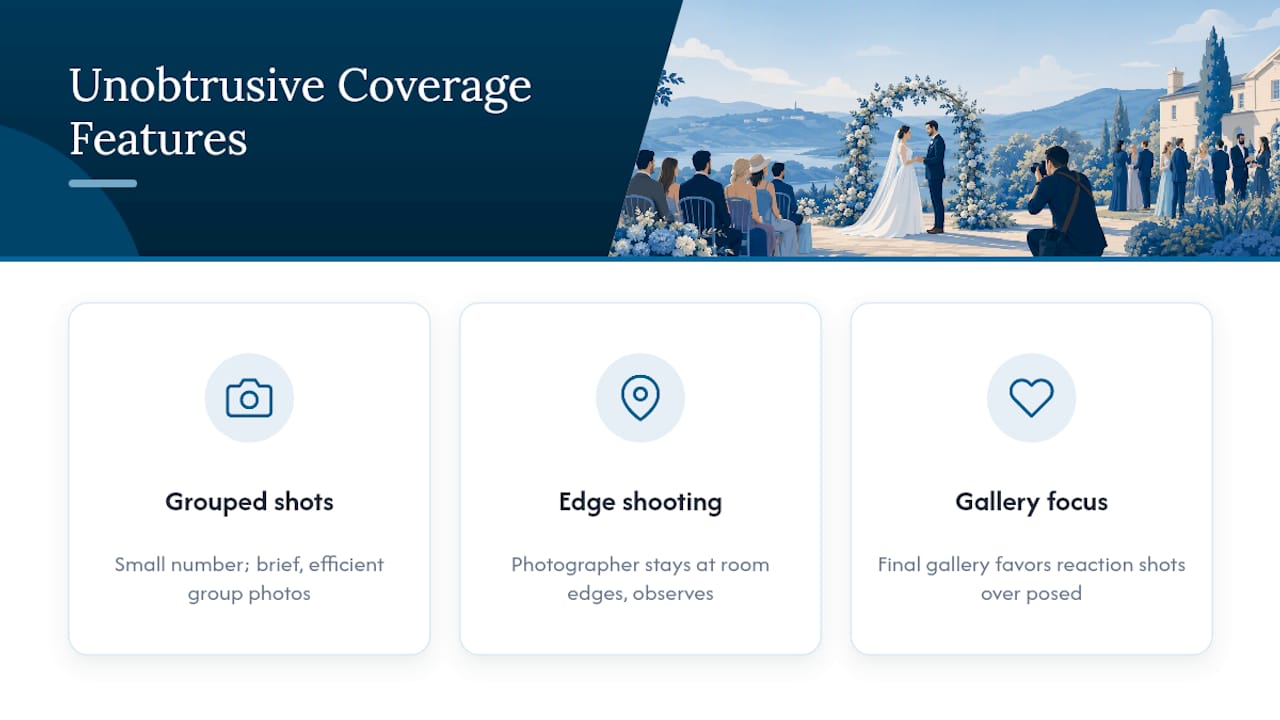
You should expect a small number of grouped shots (usually brief and efficient), a photographer who moves around the edges of a room rather than through the middle of it, and a final gallery weighted heavily towards reaction shots over posed ones. The style may suit you less if your family expects a full set of formal portraits, or if your venue has very tight timings that leave no room for a photographer to simply observe and wait.
How to choose an unobtrusive wedding photographer: a shortlist checklist
Start by collecting images you love, not photographers. Gathering 15 to 20 reference images before you begin your search helps you spot a consistent style vocabulary and avoids booking someone whose aesthetic does not actually match what you pinned, a step Plan A Wedding’s guide recommends before you contact anyone.
Once you have a shortlist, work through this:
- Ask for full delivery galleries, not just a highlights reel, so you can see how someone shoots an entire day rather than their ten best frames.
- Check they have covered venues with similar lighting or layout, since a barn at dusk and a marquee at noon demand different instincts.
- Confirm hours of coverage, whether a second shooter is included, backup equipment policy and gallery turnaround time.
- Book a call before you commit. A short pre-wedding conversation builds rapport and lets the photographer advise on timings without dictating your day, something Plan A Wedding flags as a strong predictor of how comfortable you will feel on the day itself.
Personality fit matters as much as portfolio quality. You will spend more time with your photographer on the day than with almost anyone else at the wedding bar your partner, so a mismatch in energy or communication style tends to show up in the photos.
Pro Tip: Ask to see one full gallery from a wedding at a venue similar to yours, not just the photographer’s personal favourites.
What to look for in a portfolio and complete wedding galleries
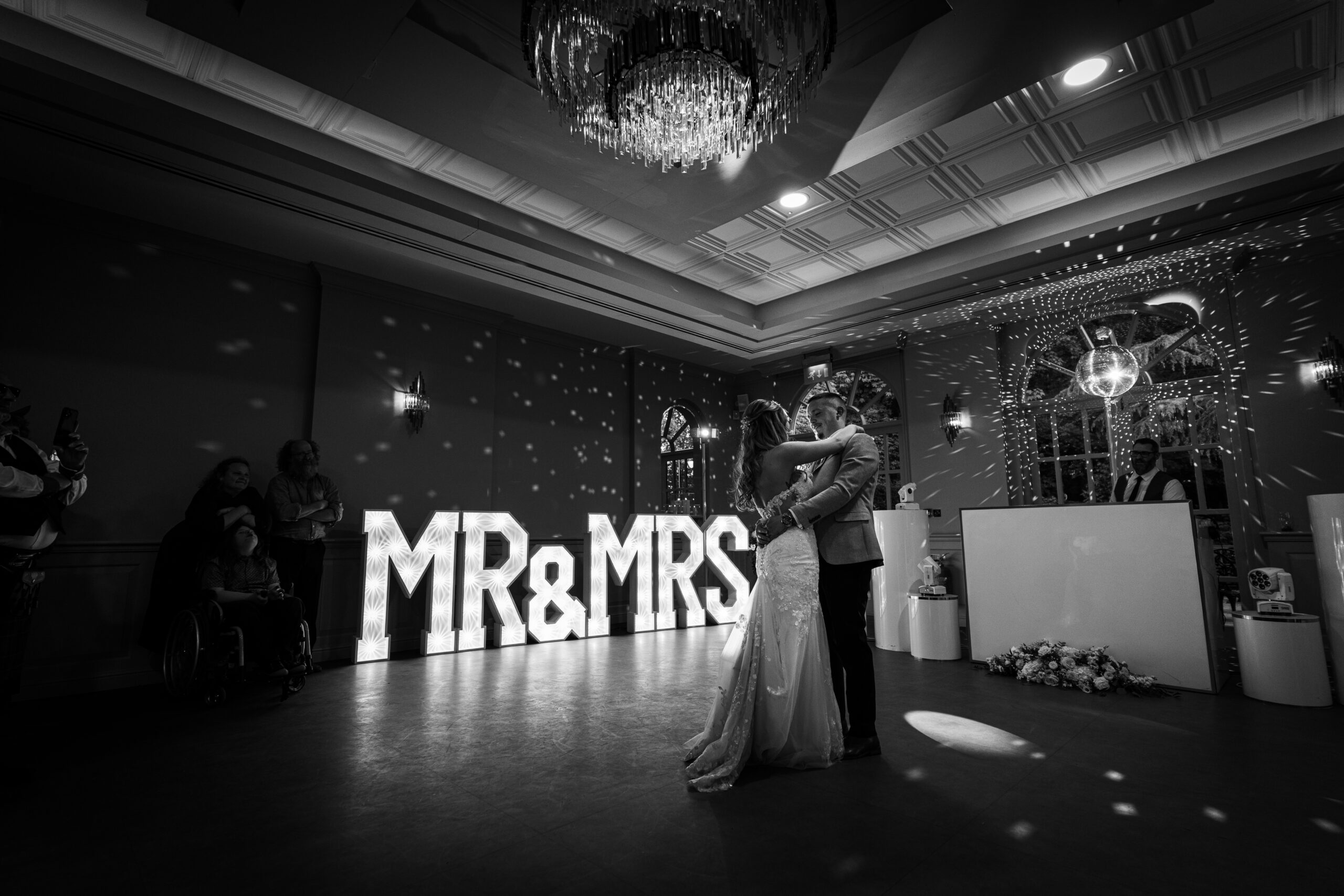
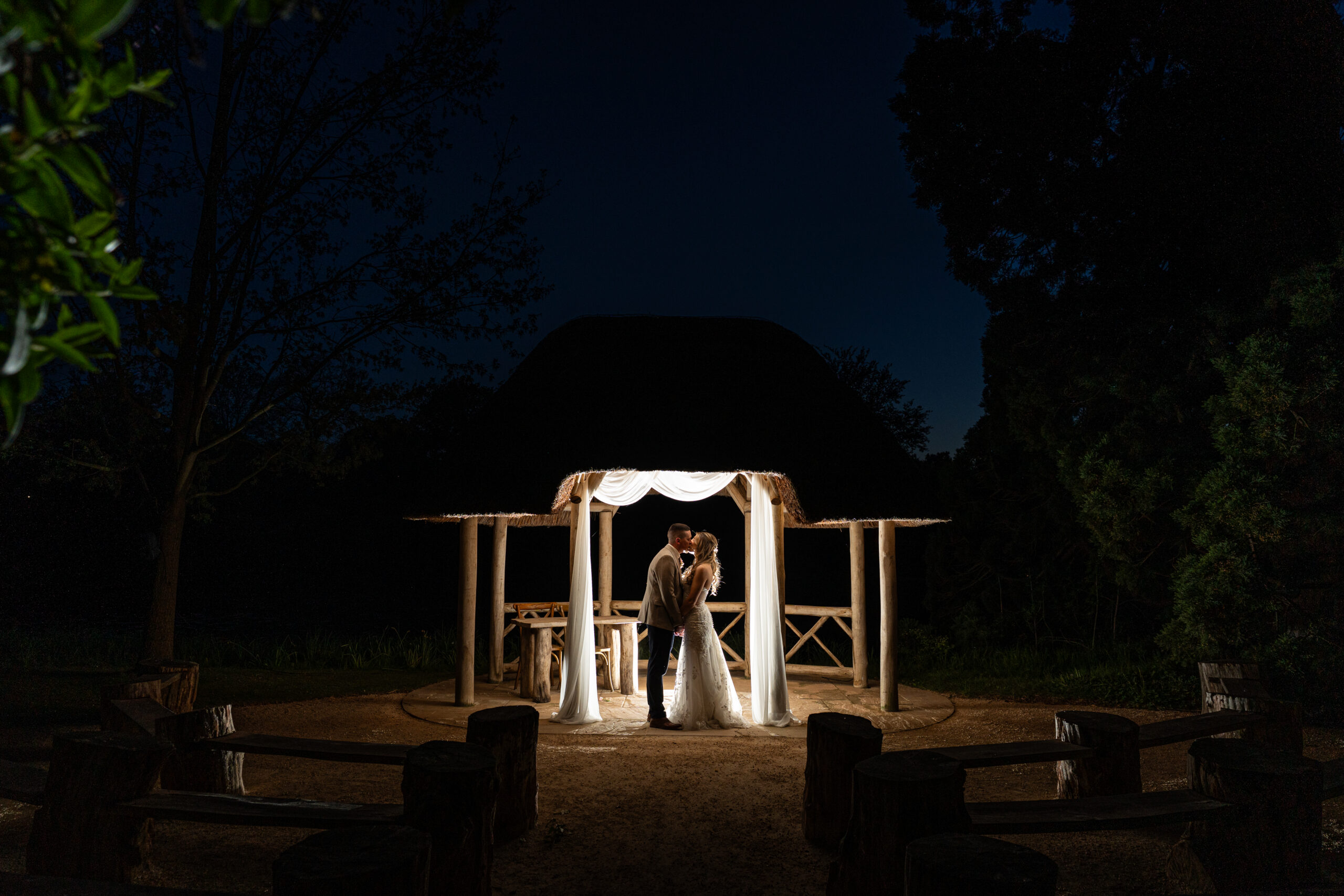
Highlight reels flatter everyone. Full galleries expose whether a photographer can actually hold a consistent tone across a whole day, particularly through changing light between a bright morning and a dim reception. Reviewing complete galleries, rather than a curated set of best shots, is the clearest way to judge consistency across a whole event, according to Plan A Wedding.
Look for:
- Even exposure and colour handling from morning prep through to evening reception, including dark rooms and dance floors.
- Candid reactions appearing throughout the timeline, not just clustered around the ceremony.
- Evidence the photographer can handle a crowded, chaotic dance floor without resorting to flat, flash-heavy snapshots.
- Group and family shots that look efficient and quick rather than stiff, since a documentary photographer should be able to gather people fast and get back to observing.
Full galleries reveal how a photographer handles what one insurance guide for the trade calls the “chaos factor”: dim receptions, weather changes and unpredictable crowds, which is the real test of documentary skill according to the Institute of Photographers.
Questions to ask, plus contract and insurance essentials
Before booking, ask direct questions and get direct answers in writing.
- How many hours of coverage are included, and what happens if the day overruns?
- Is there a second shooter, and how do you split coverage between them during key moments?
- What is your backup plan if equipment fails or you are unwell close to the date?
- How long until we receive the full gallery, and how many images should we expect?
- Do you carry public liability insurance that meets our venue’s requirements?
Your contract should spell out deliverables (number of edited images, format, delivery method), a clear turnaround window, a liability cap, a force majeure clause covering illness or extreme weather, and a licence covering how your images may be used in the photographer’s portfolio. A written contract with these terms reduces the chance of disputes that tend to arise from vague scope or delivery dates, according to Tov Studio Photo’s contract walkthrough, which notes that clean contracts typically run four to eight pages with defined terms.
On insurance, most venues expect photographers to hold public liability cover, with equipment cover and professional indemnity as sensible extras against lost files or technical failure, per the Institute of Photographers’ guidance.
Day-of expectations and how couples can help coverage stay unobtrusive
A documentary photographer works best when the day has a little breathing room. Build small buffers into your timeline and schedule any necessary group shots early, before energy dips and patience runs thin.
Venue choice affects how invisible your photographer can be. Rooms with natural light and open flow give more scope for candid movement than tightly packed spaces where every angle is obstructed.
A few simple things help enormously:
- Brief one person, such as a best man or maid of honour, to be the point of contact for logistics, so the photographer never has to interrupt you directly.
- Introduce your photographer casually to close family early in the day, rather than treating them as a stranger with a camera.
- Let them join you for tea or a quiet moment during getting-ready, since small rituals like this build the rapport that produces natural reactions later.
Pro Tip: Treat your photographer like a guest for the first twenty minutes. It’s the fastest way to make everyone forget the camera is there.
Case studies and author proof: real weddings, real conditions
At Ellenborough Park with Maia & Elliot, coverage leaned on the venue’s natural light and long corridors to catch guests moving between rooms unposed. At Solton Manor with Lauren & Jordan, a compact courtyard layout meant working close to guests without disrupting flow, blending in rather than directing traffic. At Pelham House, a dim getting-ready room called for working with available window light and higher ISO settings rather than introducing flash, which would have broken the mood of the room.
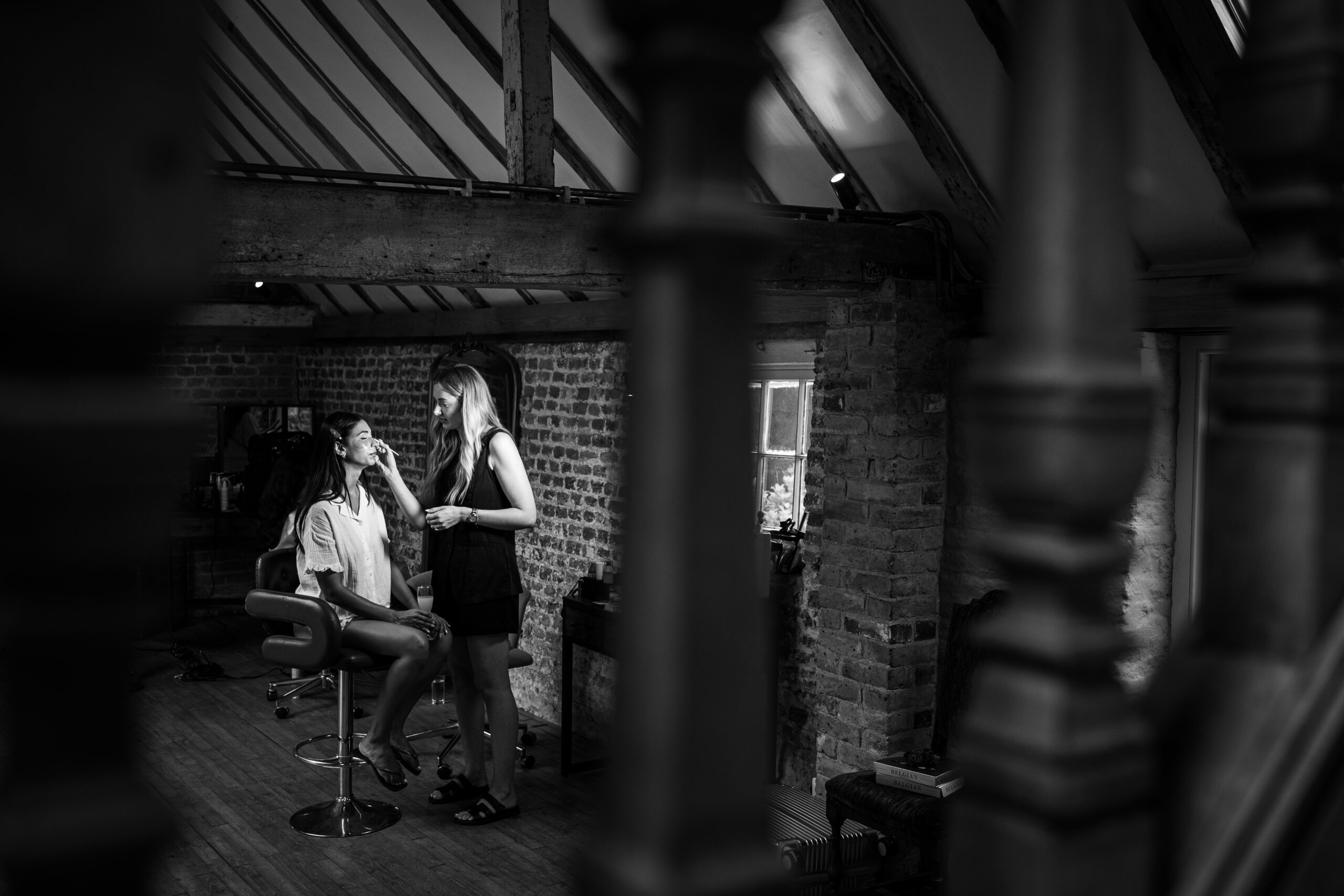
This photographer has developed a documentary practice around exactly this kind of adaptive, low-visibility shooting, tailored to each venue’s quirks rather than a fixed formula.
Why I shoot this way
I prefer documentary work because the moments people actually cry over later are never the posed ones. Rapport does the heavy lifting: a cup of tea in the morning, a proper introduction to the in-laws, a bit of chat while someone does their tie. That’s what lets people forget I’m there, which is precisely when the real expressions show up. Similar to what Lyndsey Goddard describes for Canon UK, becoming part of the day rather than watching it from a distance tends to produce far more natural reactions. Have a look through the full galleries and judge for yourself.
— James
How James’s packages support unobtrusive coverage
Documentary coverage works best when you’re not worrying about hours running out or a second angle being missed. Photography packages often cover a full day of unobtrusive shooting with a pre-wedding call built in, so timings and locations get discussed before the day rather than negotiated on it. For weddings with a fuller reception or a large guest list, adding a second photographer can help cover more of the room without either shooter needing to hover.
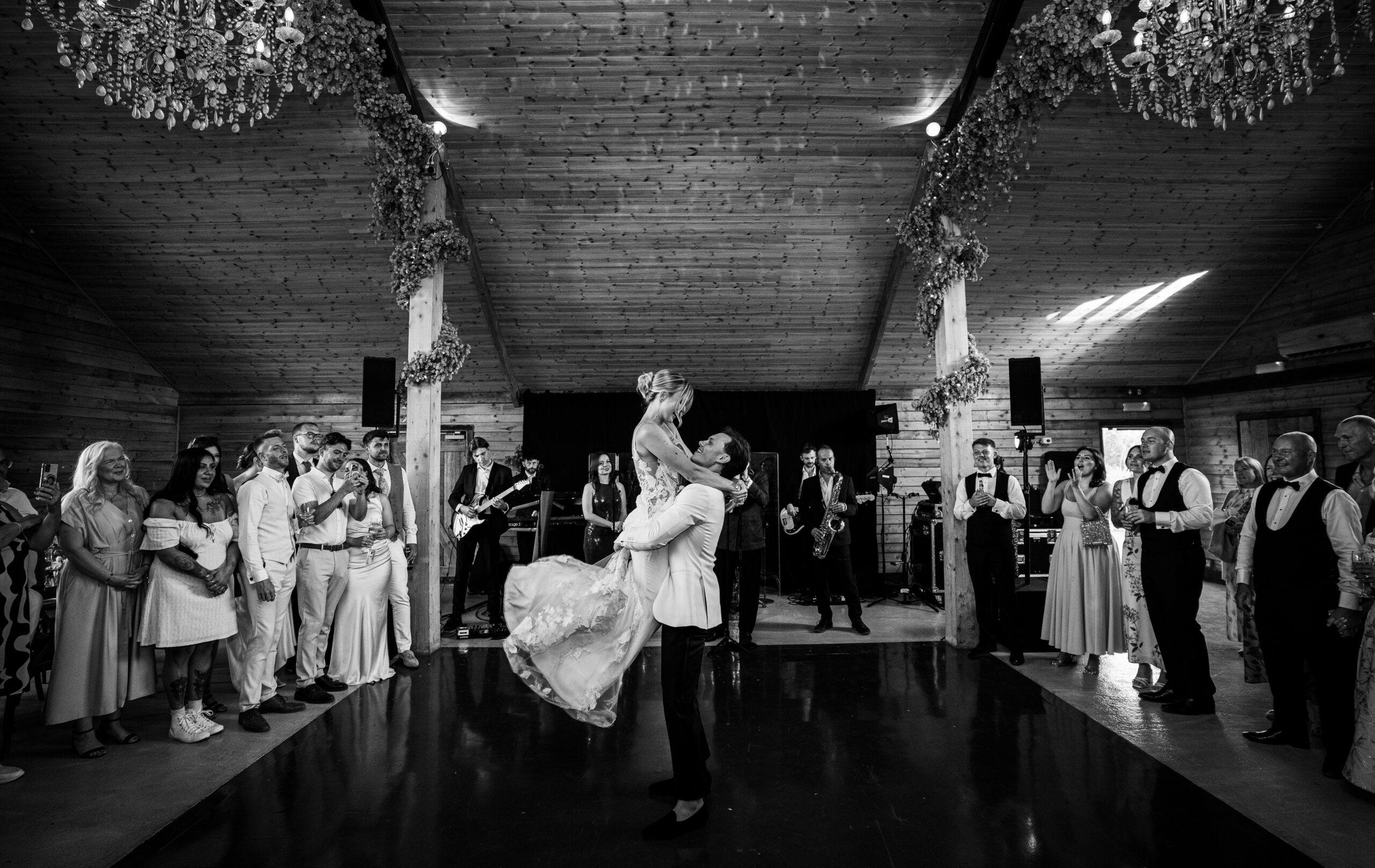
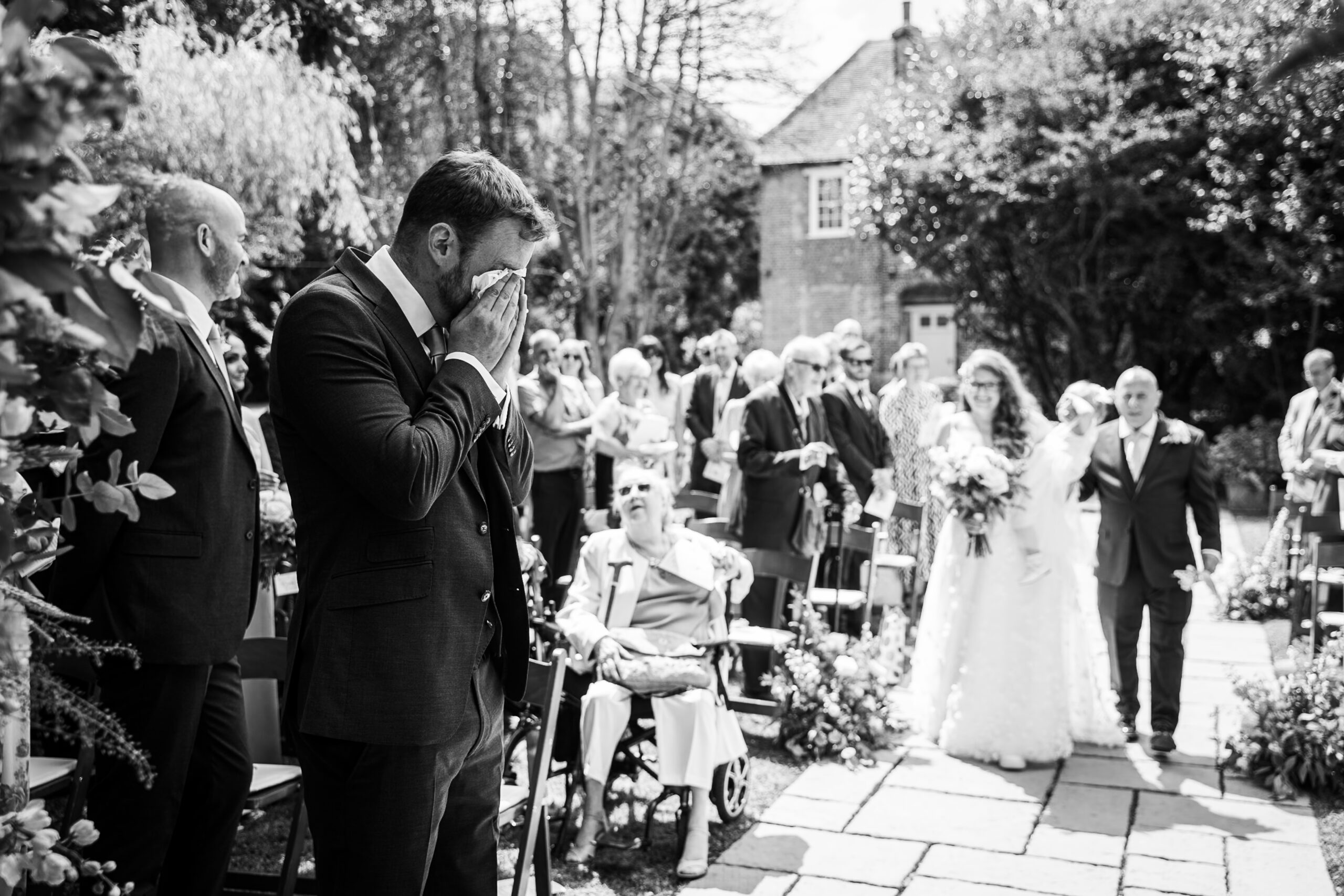

Every booking comes with a clear written contract, insurance that meets standard venue requirements, and full gallery delivery rather than a curated highlight reel, so you can judge the whole day for yourself. Full pricing and availability sit on the 2026 wedding prices and packages page, which is the place to check dates and enquire.
Where to check contract, insurance and selection guidance
For independent reading beyond this guide, Plan A Wedding’s photographer guide covers selection criteria in depth, the Institute of Photographers covers insurance requirements, and Michael Steinberg’s guide to choosing a photographer offers a further independent perspective on selection factors.
Sources
- Lyndsey Goddard’s top wedding photography tips — Canon UK
- How to Choose the Perfect Wedding Photographer | Plan A Wedding
- Wedding photography insurance UK guide: Protecting your professional future in 2026
- Wedding Photography Contract Walkthrough (Clause by Clause 2026) – Tov Studio Photo
FAQ
What is the 30 minute rule for weddings?
It’s a scheduling guideline suggesting couples allow time for family and group portraits so the day doesn’t run behind. It isn’t a fixed industry standard, but it works as a sensible buffer when planning your timeline around documentary coverage.
What is the 20 60 20 rule in photography?
Definitions vary, but it’s generally used informally to suggest splitting coverage roughly into getting-ready and arrivals, the core of the day (ceremony and portraits), and the reception. It’s a rough planning heuristic rather than a fixed rule any photographer must follow.
Is £500 cheap for a wedding photographer?
Pricing varies widely by region, experience and hours included. For a fuller sense of what’s typically included at different price points, check a photographer’s own packages and pricing page directly.
What are common mistakes couples make when booking a wedding photographer?
The most frequent mistake is judging a photographer only on a highlights reel rather than asking for full delivery galleries, which show consistency across an entire day, as Plan A Wedding points out. Skipping the contract details, such as turnaround time and liability cover, is another common gap that causes problems later.